

Traditional African Braid Styles to Consider

A clean braid pattern can change more than your hair. It can make getting ready easier, hold its shape through a full schedule, and give you a polished look that still feels personal. Traditional African braid styles carry deep cultural roots while continuing to offer the kind of beauty, flexibility, and confidence clients want from a protective style.
The best choice is not always the smallest braid or the longest length. It is the style that matches your preferred look, your daily routine, and the level of maintenance you want between appointments. Whether you love a full, classic finish or a lighter look with larger parts, the details matter.
What Defines Traditional African Braid Styles?
Traditional African braid styles are not one single look. They describe a broad family of braiding traditions shaped across African communities and carried forward through generations. Braids have long been used to express identity, artistry, community, and personal style. Today, clients may choose them for those meaningful roots, for protective styling, or simply because a neat braided look fits their life.
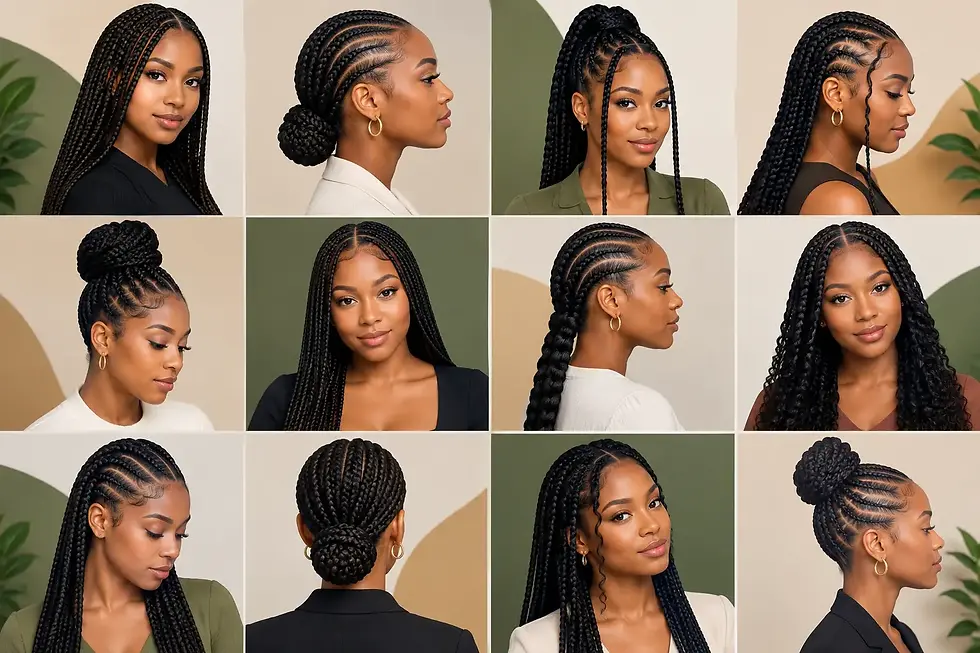
At the salon, “traditional braids” commonly refers to classic individual braids created with a secure base and added extension hair for length, fullness, and a consistent finish. The braid begins close to the scalp and continues through the length of the hair. The result can be small and detailed, medium and versatile, or large and bold.
This classic construction is different from knotless braids, which use a more gradual feed-in method at the base. Both can be beautiful, long-lasting options. Traditional braids tend to create a more defined start at each part, while knotless braids may feel lighter at the root for some clients. The right choice depends on the finish you prefer and how your scalp responds to tension.
Classic Braid Sizes and the Look They Create
Braid size changes the entire feel of the style. It affects your appointment time, the amount of movement you get, how visible the parts appear, and how long the style may last with proper care.
Small traditional braids
Small braids create a detailed, refined finish. Because there are more individual braids and more parting work involved, they can offer plenty of styling flexibility. You can wear them down, in a high bun, half up, or pulled back with a clean frame around the face.
They are a strong choice for clients who enjoy a fuller look and want the visual detail of crisp, consistent parts. They also require more time in the chair than larger braids. If your schedule is tight, it helps to choose an appointment time that gives your stylist room to focus on the precision that makes small braids look their best.
Large traditional braids
Large braids offer a bold, timeless look with fewer individual sections. They are often a practical fit for clients who want a polished protective style without the extra time required for a smaller braid pattern. The parts are more noticeable, the braid shape is more pronounced, and the overall look feels confident and uncomplicated.
Larger braids may not offer the same level of fine styling flexibility as small braids, but that is part of their appeal. They make a statement without asking for much from your morning routine.
Medium braids
Medium braids sit in the middle for clients who want balance. They offer enough fullness for a classic braided finish while keeping the appointment and maintenance more manageable than a very small style. If you are choosing traditional braids for the first time, medium sizing is often an easy place to start.
Choosing a Length That Works for Your Routine
Long braids are beautiful, but longer is not automatically better. Waist-length braids create drama and give you more options for updos, ponytails, and layered looks. They can also feel heavier, take longer to install, and require more care when sleeping, exercising, or wearing them up.
Shoulder-length or mid-back braids can be just as polished and may feel more comfortable for workdays, active routines, and busy parents. They are easier to tuck into a bun, less likely to catch on clothing, and generally quicker to manage.
Think about where you will wear your braids most. A client who wants a sleek look for the office may prioritize a natural length and clean center part. Someone planning a vacation, birthday, or special event may want added length, color, or curly pieces for a more expressive finish. Your inspiration photo is useful here because it shows the overall result you want, not just the name of the style.
Parting Is Where Precision Shows
A braid style can have beautiful length and color, but the parting is what gives it structure. Clean squares, triangles, curved sections, and side-part patterns each create a different visual effect before the braids even begin.
Square parts deliver the classic, orderly look many clients expect from traditional braids. Triangle parts add visual interest and can make a simple all-over style feel more customized. A side part can soften the face-framing effect, while a middle part creates balanced symmetry.
The best pattern depends on your hairline, density, and preferred styling direction. A skilled braider will work for a neat, balanced result rather than forcing a part pattern that does not suit your natural hair. Consistency in braid size and spacing matters just as much as the pattern itself.
Extension Hair Makes the Finish
Extension hair is a key part of most traditional braid styles. It creates the length, shape, and fullness that make the finished look feel complete. Color selection can keep the style natural, add warmth with subtle highlights, or create contrast with a brighter shade.
For a classic result, choose a color close to your natural hair or a soft blended tone. If you want more personality, consider ombré ends, highlighted pieces, or a single accent color placed throughout the braid pattern. The important part is that the added hair is integrated smoothly, with a consistent thickness from the root through the ends.
At Traditional Braids, hair is included with every braiding service. That means you can focus on choosing the look you want instead of spending extra time sourcing extension hair before your appointment.
Make Comfort Part of the Decision
A polished style should not come at the cost of unnecessary discomfort. Braids need a secure foundation, but they should not feel painfully tight. If you have a sensitive scalp, a tender hairline, or a history of tension-related breakage, say so before the service begins. Your braid size, length, and edge treatment can be adjusted with comfort in mind.
The first few days can feel different as you get used to a new style, especially with longer braids. Pain, persistent headaches, or visible pulling at the hairline are not something to ignore. A good braided style should look neat while still allowing you to move through your day comfortably.
Keep the Style Looking Fresh
Traditional braids are designed to simplify your routine, not eliminate care altogether. Protecting the style at night with a satin or silk scarf, bonnet, or pillowcase helps reduce friction and keeps the braids neater. Keep your scalp clean and avoid applying heavy product buildup along the parts.
Pay attention to your edges and your scalp as the weeks go on. When new growth, frizz, or tangling at the base begins to make the style feel less tidy, it is time to plan your next appointment or a safe removal. Wearing braids too long can make detangling harder than it needs to be.
Select a Look You Will Feel Good Wearing
The most flattering braid style is the one that feels like you when you leave the chair. Browse braid photos with a close eye for parting, braid thickness, length, and how clean the finished style looks from every angle. Then choose a look that fits your lifestyle, not just a single moment.
For clients in Torrance and across the South Bay, an appointment-only braid service makes it easier to choose your inspiration, schedule directly, and arrive ready for a complete look. Classic braids do not need to chase every trend to stand out. When the parts are clean, the extension hair is blended well, and the work is finished with care, the style speaks for itself.


Comments