

Small Versus Large Braids: Which Should You Get?

A braid size can change the entire feel of your appointment and your finished look. When choosing small versus large braids, the better option is not simply the one that looks best in a photo. It is the size that fits your schedule, desired fullness, comfort level, and how long you want to wear your style.
Small braids offer detail, movement, and a polished finish that can last through a busy stretch of workdays, events, and weekends. Large braids make a statement of their own, with a bolder look and less time in the chair. Both can be beautiful when the parts are clean, the tension is thoughtful, and the finish is consistent.
Small Versus Large Braids at a Glance
The main difference comes down to the size of each section. Small braids use more, finer parts across the head. Large braids use fewer, wider sections. That difference affects installation time, the overall weight of the style, how much scalp shows through the parts, and the way the braids move.
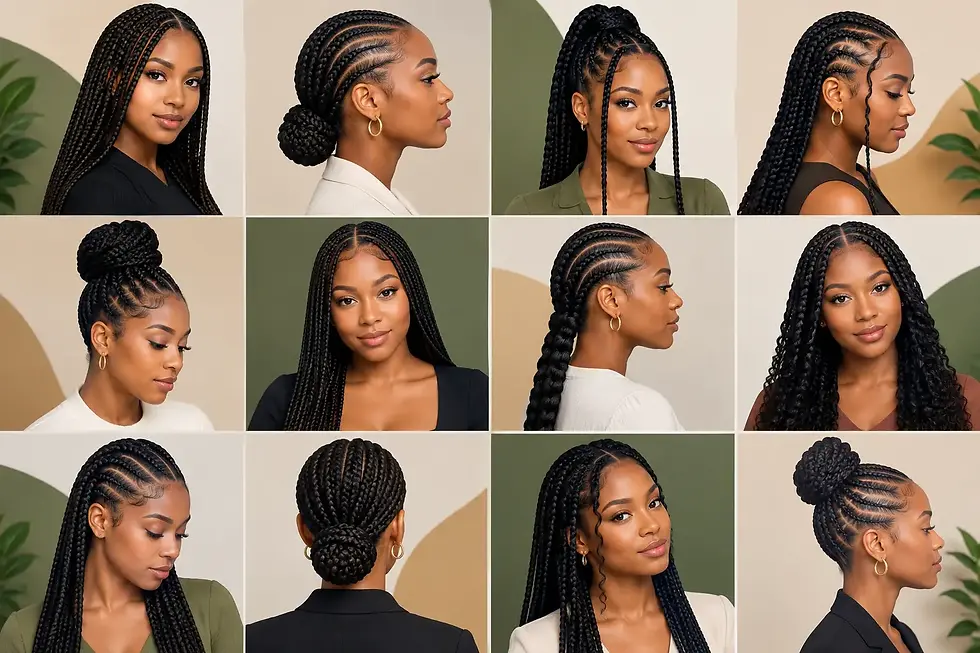
Small braids usually create a denser, more detailed result. They can give you plenty of styling flexibility because there are more individual braids to work with. A ponytail, half-up look, bun, or side part can feel more natural when the braids are smaller. They also tend to give a more intricate appearance, especially with knotless braids and boho details.
Large braids are more defined from a distance. The parts are easier to see, the braid pattern has a stronger visual impact, and the overall look can feel clean and confident without requiring as much installation time. For clients who want a protective style but cannot spend a full day at an appointment, a larger size may be the practical choice.
Choose Small Braids for Detail and Styling Freedom
Small braids are often the right choice when you want your style to look refined from every angle. Because the sections are smaller, the finished result has more movement and can sit closer to the head. This is especially appealing if you enjoy switching up your look throughout the week.
A smaller size also works well for clients planning to keep their braids in for a longer wear period. There are more braids, so the style tends to maintain a balanced look as it settles. That does not mean small braids are maintenance-free. Your edges, scalp, and natural hair still deserve attention, and any style should be removed when it is no longer looking or feeling healthy.
The trade-off is time. More parts require more precision, which means a longer appointment. Small braids can also feel heavier than large braids simply because there are more braids overall, especially at longer lengths. The goal is never to pack in as much hair as possible. A quality installation should look full while still respecting your natural hair and comfort.
Small braids may suit you if you want a longer-lasting style, enjoy versatile updos, prefer a detailed finish, or are preparing for travel, a special occasion, or a period when you want your hair routine to stay simple.
Small knotless braids offer a soft, polished finish
For many clients, small knotless braids are the best balance of detail and natural-looking movement. The gradual feed-in method can create a softer start at the scalp than a more traditional knotted base. The final look is neat, flexible, and easy to dress up or keep casual.
If you are considering a human hair boho add-on, smaller braids can give the loose pieces a fuller, more layered effect. The look is beautiful, but it does call for a little more day-to-day attention than a classic braid finish. Loose curls can tangle or become less defined over time, particularly around the face and ends.
Choose Large Braids for a Bold Look and Less Chair Time
Large braids are proof that simple does not mean plain. With crisp parts and consistent sizing, larger braids have a strong, polished presence. They are ideal when you want a clean protective style without the longer commitment that comes with smaller sections.
This size is often easier to choose when time matters. If you are balancing work, school, family responsibilities, or a last-minute trip, a large braid style can help you get the look you want with a more manageable appointment window. The braids are also easier to take down later because there are fewer of them.
Large braids may feel lighter for some clients, but comfort is personal. Fewer braids do not automatically mean less tension. What matters is the amount of hair used in each section, the length selected, and the care taken around your hairline. A well-executed large braid style should feel secure, not painfully tight.
The trade-off is longevity and flexibility. Because the parts are larger, new growth can become more noticeable sooner, and the style may not last as long as a smaller braid installation. Large braids also offer fewer options for intricate updos, though they look excellent in a high ponytail, low bun, or half-up style.
Large braids make parting part of the look
With larger sections, your parts take center stage. Straight, clean lines and even spacing create the foundation for the entire style. Whether you prefer classic box parts, a middle part, or a carefully placed side part, precision matters. This is where a straightforward style can look especially elevated.
Large braids are a strong choice if you like a bolder braid pattern, want a shorter appointment, prefer less density around the scalp, or want a polished style for a few weeks rather than a longer wear period.
Consider Your Lifestyle Before Choosing a Size
The best braid size should work with your real calendar, not an ideal one. If you know you will need to pull your hair into professional updos, work out frequently, attend events, or travel, think about how you want the braids to behave day to day. Small braids generally offer more styling options. Large braids generally make getting ready faster and give you a more noticeable statement look.
Your desired length matters too. Long small braids can create a beautiful, flowing finish, but they require more time and may add more weight. Long large braids can be dramatic and easier to install, yet each braid carries more visual and physical presence. If you are unsure, a medium size may be the most balanced option. It offers visible parting and fullness without going fully small or extra large.
Your natural hair density and hairline should also be part of the conversation. A professional braider can help guide the section size and amount of added hair needed for a finish that looks complete without asking too much of your strands. Bring inspiration photos, but stay open to adjustments that protect the health and appearance of your hair.
What to Ask Before Your Appointment
A clear consultation starts with a few practical decisions. Think about how long you want to wear the style, how much time you have for the appointment, and whether you want a classic finish or added boho texture. Be honest about whether you prefer your braids lightweight or very full, and mention any areas of sensitivity around your edges or scalp.
It also helps to choose your size based on the look you want at week one and at week three. Fresh braids always look their sharpest at the start. Smaller braids often hold their overall shape longer, while large braids make an immediate impact and can be an excellent option when you are ready for a shorter-term style change.
At Traditional Braids in Torrance, each appointment is centered on quality, precision, and attention to detail. Hair is included with core services, so you can select your preferred look and arrive ready for a polished finish. Flexible early morning, late-night, and weekend availability also makes it easier to fit your braid appointment into a full schedule.
Let the Look Fit Your Life
There is no wrong answer between small and large braids. Choose small when you want detail, movement, and more time with your style. Choose large when you want a bold finish, a shorter appointment, and a look that speaks for itself. The right braid size is the one that leaves you feeling comfortable, confident, and ready to move through your week with ease.


Comments