
Large Traditional Braids That Stay Polished

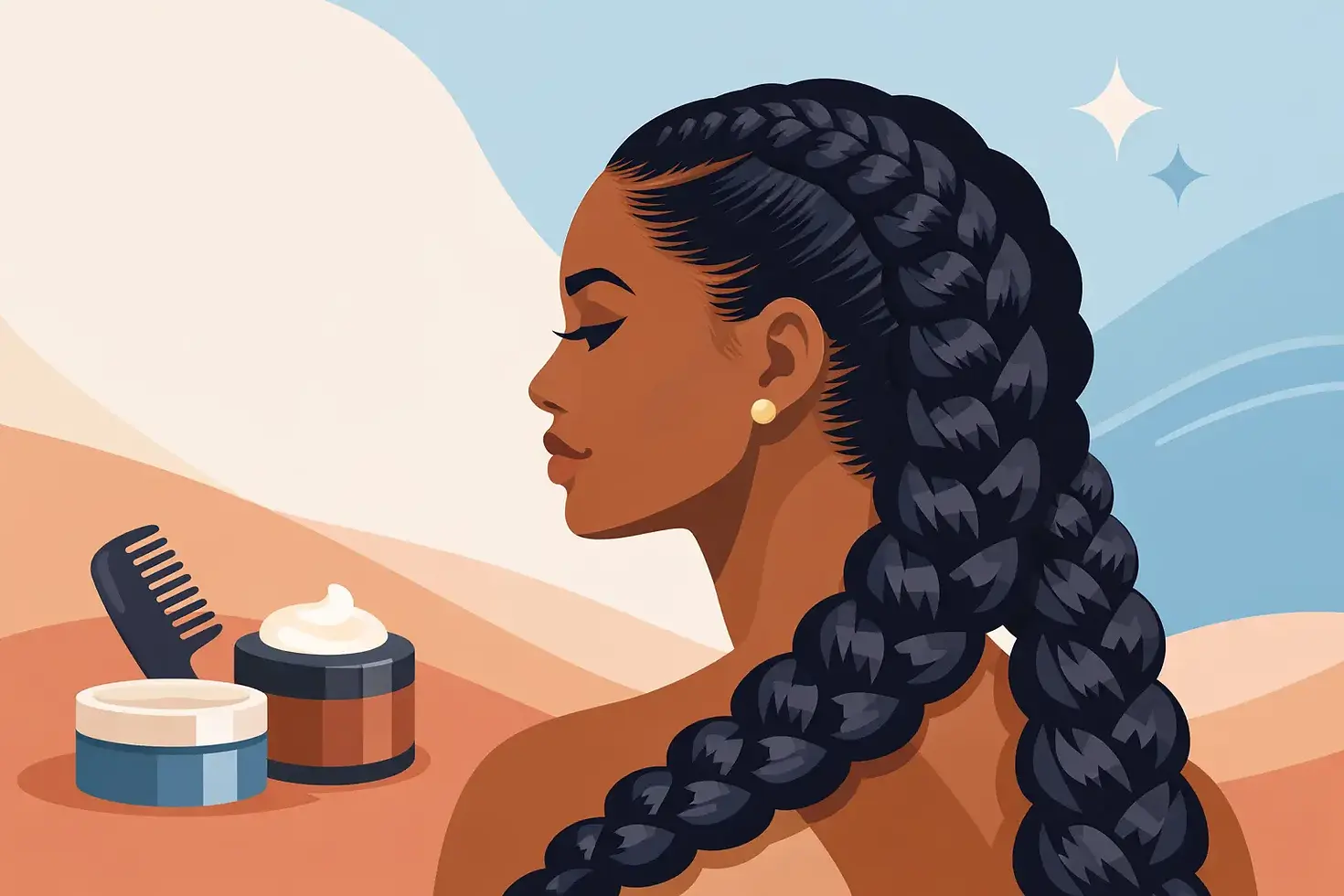
Large traditional braids make a statement before you say a word. The parts are clean, the braid pattern is visible, and the finished look has the classic presence many clients want from a protective style. They are a strong choice when you want polished hair that fits a full calendar without requiring daily styling.
The appeal is not only the size. A well-executed large braid style should look intentional from the first row to the last, with balanced sections, secure extension integration, and a finish that feels comfortable on your scalp. For clients who need a look that works for workdays, school, travel, family time, and special plans, this is a style that delivers confidence with a timeless feel.
Why Choose Large Traditional Braids?
Large traditional braids are created with larger sections than small braids, producing a fuller braid pattern and a quicker installation than more detailed, smaller styles. They offer a clear, classic look without sacrificing the neatness that makes braids feel elevated.
For many clients, the biggest advantage is practicality. Larger parts generally mean fewer braids overall, which can make installation more manageable and reduce the time needed to take the style down later. They can also be an appealing option for someone who wants the security and structure of traditional braids but does not want an extremely dense result.
The trade-off is simple: larger braids do not offer the same level of movement or styling variety as a smaller braid size. Because there are fewer individual braids, ponytails, half-up styles, and intricate updos may look different. That does not make one size better than another. It comes down to the look you love, the time you have, and how long you expect to wear the style.
The Difference Is in the Precision
A large braid should never look loose, uneven, or rushed. The size may be bold, but the craftsmanship still depends on precise parting and consistent tension. Clean sections give the style its polished appearance, while a steady braid pattern helps the final look remain balanced across the head.
Extension hair also matters. When the hair is blended smoothly into each braid, the finished style looks cohesive rather than bulky at the base. The length should feel proportionate to your features, lifestyle, and the statement you want to make. A medium length can be easy to wear every day, while longer braids create more drama and versatility.
At Traditional Braids, hair is included with every braiding service. That means clients can arrive with less preparation and avoid the extra step of searching for the right extension hair on their own. The focus stays where it belongs: choosing a look you feel excited to wear and receiving a style completed with quality, precision, and attention to detail.
Traditional Braids Versus Knotless Braids
Traditional braids begin with a secure foundation at the root before the extension hair continues through the length of the braid. This creates the familiar, structured finish that has made traditional braids a lasting favorite. The look is defined, classic, and especially effective for clients who prefer visible, polished braid rows.
Knotless braids use a different installation method and can create a flatter start at the scalp. Some clients prefer them for their lighter appearance at the root. Others choose large traditional braids because they like the established look, dependable structure, and bold braid definition.
Your best choice depends on your preferred finish and comfort. A style gallery is often the easiest place to begin. Looking at completed work helps you compare braid size, length, parting patterns, and overall fullness before you book.
Choosing the Right Size, Length, and Parting Pattern
“Large” can still mean different things depending on the desired fullness. Some clients want a moderate large size that leaves plenty of braids throughout the head. Others prefer fewer, fuller braids for a more dramatic result. A photo reference helps communicate your vision, but your natural hair density and preferred length also affect the final outcome.
Length changes the personality of the style. Shoulder-length or mid-back braids can feel easy, professional, and low-maintenance. Waist-length braids bring more movement and visual impact, though they also add weight and require a little more care when sleeping, washing, and styling.
Parting is equally important. Straight-back rows give a clean, traditional presentation. Box parts create a familiar grid that looks polished whether the braids are worn down or pulled back. Curved or freestyle-inspired patterns can add personality, but a classic parting pattern remains a reliable choice when you want a look that stays timeless in photos and in person.
When selecting inspiration, pay attention to more than color and length. Notice how neat the parts look, how consistent the braid thickness is, and whether the finished style appears balanced from the front, sides, and back. Those details are the difference between braids that simply fill the space and braids that look carefully finished.
Getting Ready for Your Appointment
A smooth appointment begins with a clear idea of the look you want. Choose a few inspiration photos that reflect the size, length, and color you prefer, then use them as a reference when booking your service. If you love a style in the gallery, select that look directly so the appointment matches your expectations as closely as possible.
Come with your hair ready for braiding according to the salon’s booking instructions. Clean, detangled hair gives your braider a better foundation to work with and helps keep the service focused on creating a neat result. If you have scalp sensitivity, a recent haircut, or a concern about tension, share it before the service begins. Comfort should be part of the conversation, not an afterthought.
It also helps to plan your day around the appointment. Large traditional braids may take less time than smaller braid sizes, but quality work should not be hurried. Give yourself room to settle in, choose your final details, and leave feeling good about the finished style.
Keeping Your Braids Fresh Between Visits
Large braids simplify daily styling, but they still benefit from consistent care. Protecting your hair at night is one of the most effective habits. Cover the braids with a satin or silk scarf, bonnet, or pillowcase to help reduce friction and preserve the neatness of the style.
Keep your scalp comfortable by using products lightly and only as needed. Heavy buildup can make braids look dull at the roots, while too much moisture can create unnecessary residue. If your scalp needs refreshing, focus on gentle cleansing and make sure the braids dry thoroughly afterward.
During the day, avoid repeatedly pulling the braids into very tight ponytails or buns. Large braids already have visible weight, especially at longer lengths. Switching up your styling and choosing looser, comfortable placements can help protect your edges while still giving you variety.
Watch for signs that it is time to remove the style: significant new growth, persistent tightness, buildup that will not lift with gentle cleansing, or braids that no longer feel comfortable. Protective styling works best when your hair and scalp have a chance to reset between installations.
A Classic Look That Fits Your Schedule
Large traditional braids are for the client who wants her style to look finished without asking for daily attention. They can be bold or understated, long or medium length, simple or customized with color. What stays consistent is the impact of a clean braid pattern and a polished result.
For clients throughout Torrance and the South Bay with early mornings, late evenings, and full schedules, appointment-only booking makes it easier to choose a time that works. Browse the style gallery, select the braid look that feels like you, and schedule your appointment with confidence.


Comments