

How Long Do Braids Last? A Style-by-Style Guide

Fresh braids should give you more than a good first-day look. They should make getting ready easier, hold their shape through your schedule, and still look polished weeks later. So, how long do braids last? For most braided protective styles, the realistic answer is two to eight weeks, depending on the style, your hair growth, your maintenance routine, and how your scalp feels.
A neat install creates a strong foundation, but every style has a natural limit. Keeping braids in longer is not always better. The right time to take them down is when the style no longer looks or feels like it is serving your hair well.
How Long Do Braids Last by Style?
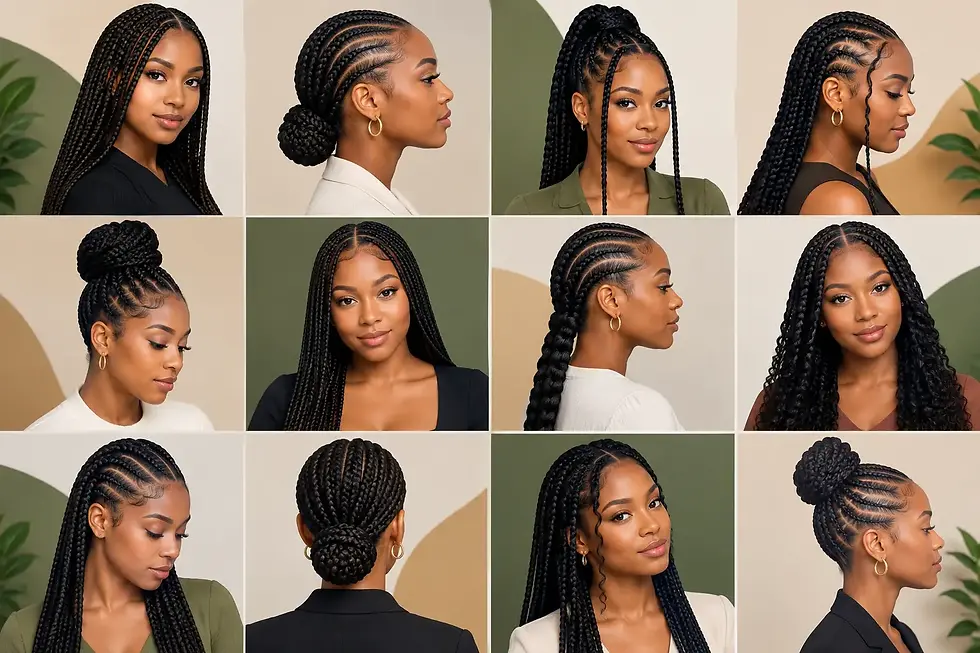
Wear time varies because braid size, added hair, tension, and finishing details all affect how a style holds up. Smaller braids often last longer visually, while fuller or more textured looks may need attention sooner.
Traditional box braids
Traditional box braids commonly last four to eight weeks. Medium and small sizes tend to hold their shape longer because the parts are less likely to show quickly. Larger braids may look their best for closer to three to five weeks, especially if your natural hair grows quickly or you work out often.
The key is the condition of the new growth. Once there is significant space between the scalp and the braid, the style can begin to pull differently, feel less secure, and lose its clean finish. If the braids are still comfortable and your scalp is healthy, a few weeks of visible growth is normal. If they are slipping, tangling at the roots, or feeling heavy, it is time to plan your takedown.
Knotless braids
Knotless braids usually last four to six weeks, with some clients wearing them up to eight weeks when the installation, hair type, and maintenance all support it. Because knotless braids begin with your natural hair and gradually feed in extension hair, they offer a lightweight, natural-looking finish. They can also show new growth more clearly as the weeks pass.
This does not mean knotless braids are less durable. It simply means their softer, flatter base makes root maintenance especially noticeable. A polished knotless set can still wear beautifully when you protect it at night and avoid constant pulling and restyling.
Boho braids
Boho braids are designed for movement and texture, not a perfectly uniform finish from week one to week six. The braids themselves may last four to six weeks, but the loose human-hair pieces generally need more upkeep. They can tangle, shed, or lose definition sooner than the braided portion of the style.
For clients who choose a human hair boho add-on, gentle detangling and light moisturizing make a visible difference. If the loose pieces become matted or the overall style starts looking uneven, a refresh may be more worthwhile than trying to stretch the style beyond its best point.
Smaller specialty braid styles
Smaller individual braid styles can last six to eight weeks, but longer wear is only a good idea when your scalp remains comfortable and your roots are not overly tangled. Tiny sections create a detailed, long-lasting look, but they also require careful takedown. Rushing removal after many weeks can lead to unnecessary breakage from shed hair caught near the roots.
What Makes Braids Last Longer?
The installation matters. Clean parts, balanced braid size, secure ends, and consistent tension all help a style age well. A neat foundation means the braids are more likely to stay organized as you move through workdays, workouts, errands, and weekends.
Your daily habits matter just as much. Sleeping without protection can create frizz quickly, especially around the hairline and crown. A satin or silk scarf, bonnet, or pillowcase helps reduce friction and keeps braids smoother. If you prefer a scarf, make sure it is secure but not tight enough to press hard along your edges.
Moisture also affects longevity. A dry scalp can become itchy, while too much product can create buildup and make the roots look dull. Use a light scalp-friendly product when needed instead of layering heavy oils, creams, and gels over the braids. The goal is comfortable hair and scalp, not a product-coated finish.
Water exposure can also change how long a style stays fresh. Swimming, frequent washing, humid weather, and intense workouts can all lead to frizz sooner. You do not have to avoid living your life to preserve your braids, but it helps to rinse away chlorine promptly, dry the roots thoroughly, and keep sweat from sitting on the scalp for long periods.
Signs It Is Time to Take Your Braids Down
Braids do not need to look brand-new at the end of their wear period. A little fuzziness and new growth are expected. The question is whether the style still feels healthy, secure, and easy to manage.
It is time to remove your braids when you have ongoing scalp tenderness, heavy buildup, excessive itching, visible slipping, or roots that are beginning to mat. It is also wise to take them down if the braids feel much heavier than they did at the start. That can happen when shed hairs, product, moisture, and natural growth accumulate over time.
Pay close attention to your hairline. If you see small bumps, persistent redness, or thinning around the edges, do not wait for the style to “settle.” Braids should feel secure, not painful. Comfort is part of a quality protective style.
Can You Refresh Braids Instead of Taking Them Down?
Sometimes, yes. A refresh can be a practical option when the lengths still look good but the front, perimeter, or parting area needs attention. Refreshing a few visible braids can help extend the polished appearance of a style for a special event, vacation, or busy stretch of your calendar.
A refresh is not always the right answer, though. If the roots are tangled throughout, the scalp needs a full cleanse, or the style has simply reached the end of its wear time, takedown is the better choice. Extending braids too far can turn a convenient style into a longer, more difficult removal process.
How to Keep Braids Looking Polished Between Appointments
A simple routine usually works best. Wrap your braids at night, keep your scalp lightly moisturized, and separate the braids gently with your fingers if they start to bunch together at the roots. Avoid repeatedly wearing tight high ponytails or buns, especially during the first week when your scalp is adjusting.
For frizz around the hairline, a small amount of styling mousse and a scarf can help smooth the surface without making the hair stiff. Use products sparingly. A clean, light finish tends to look better than trying to hide every flyaway with heavy gel.
When washing is needed, focus on the scalp and let the lather rinse through the braid lengths rather than scrubbing the braids aggressively. Follow with thorough drying, especially at the roots. Leaving braids damp for long periods can create odor, buildup, and discomfort.
Plan Your Next Style Around Your Real Schedule
The best braid style is not just the one that looks good on appointment day. It is the one that fits your lifestyle, preferred maintenance level, and the amount of time you want to wear it. If you want a longer-lasting, uniform finish, traditional braids may be the right choice. If you want a lightweight look with a softer start at the roots, knotless braids may suit you better. If you love texture and movement, boho details can add personality, with the understanding that they need more care.
At Traditional Braids in Torrance, every appointment is centered on quality, precision, and attention to detail, so your style begins with the clean, polished foundation it needs. Choose a look that works for your life, care for it consistently, and let your comfort guide the right time for your next appointment.


Comments