
Knotless Versus Traditional Braids: Which Fits?

A fresh braid appointment should leave you feeling put together, not unsure whether you chose the right style. When comparing knotless versus traditional braids, the best option is not simply the one you see most online. It is the style that matches your preferred look, comfort level, schedule, and the way you want your braids to wear over time.
Both styles can be beautiful, neat, and protective when installed with quality, precision, and attention to detail. The difference begins at the base of each braid, then shows up in the finished look, the feeling on your scalp, and the maintenance you may prefer between appointments.
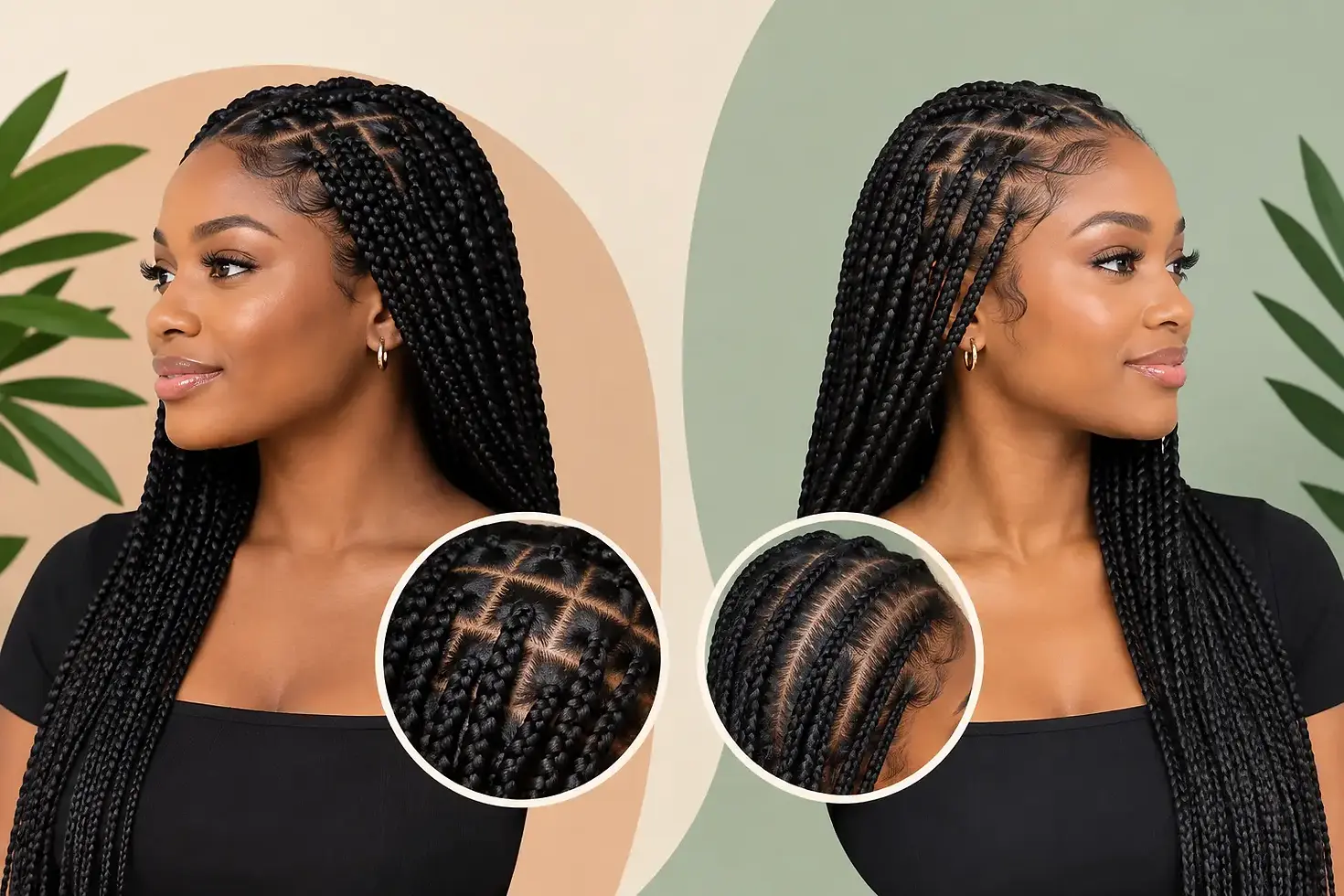
Knotless Versus Traditional Braids: The Main Difference
Traditional braids begin with a small knot at the root, where extension hair is secured before the braid continues down the length. That foundation creates a defined, classic look at the scalp. It is the familiar braiding method many clients know and love, especially when they want a polished style with a strong, consistent finish.
Knotless braids are started with your natural hair first. Extension hair is gradually fed in as the braid is formed, creating a flatter, more natural-looking base. Instead of seeing a visible knot at the root, the braid appears to grow more smoothly from the scalp.
Neither technique is automatically better. They create different results. Traditional braids offer a more structured, classic appearance, while knotless braids are known for a softer start at the root and a lighter-looking finish. Your choice should reflect what matters most to you rather than following a trend.
Why Clients Choose Traditional Braids
Traditional braids remain a favorite for a reason. They are timeless, versatile, and especially beautiful when clean parts and even braid size are the priority. The knot at the base gives the style a secure, intentional foundation that creates a crisp finished look from every angle.
Clients often choose traditional braids when they want a familiar style that photographs well, holds its shape, and delivers that classic braided appearance. If you like a visible, well-defined start to each braid, traditional may be your best fit. It can also be an excellent option for clients who prefer a more structured look instead of a softer root area.
The size and length you select will affect the final result. Medium braids can offer a balanced everyday style, while smaller braids create more detail and movement. Longer lengths can make a statement, but they also add weight. A good appointment conversation starts with the look you want and considers what will feel practical for your day-to-day routine.
Traditional braids can feel snug at first, particularly because of the anchored start. A professional installation should never leave you in significant pain or with ongoing headaches. Some initial tightness may happen with a fresh protective style, but comfort matters. Speak up during your appointment if any section feels too tight.
Why Clients Choose Knotless Braids
Knotless braids are often chosen for their natural-looking roots and flexible movement. Because the braid begins with your natural hair and extensions are added gradually, the base lies flatter. That can create a more lightweight feel, especially for clients who are sensitive to tension around the edges or scalp.
The style can look especially soft when worn in a ponytail, half-up look, or loose down your back. The roots do not have the same visible knot, so the overall finish may feel less bulky at the scalp. For many clients, that is the main appeal.
Knotless braids are not a shortcut to a maintenance-free style. They still need thoughtful care, and their wear time depends on factors like braid size, hair growth, lifestyle, and how consistently you protect the style. Since the roots are designed to look natural and lay flat, visible new growth may change the appearance sooner for some clients.
If your priorities are a lighter feel, a low-profile root area, and easy movement, knotless braids may be the right choice. They are particularly worth considering if you have had discomfort with tightly installed styles in the past. Still, the technique and the braider’s attention to your individual hair matter more than the name of the style alone.
Comfort, Tension, and Your Hairline
Comfort is one of the most common reasons clients compare these two styles. Knotless braids are often described as gentler because there is no knot securing extension hair directly at the root. That said, a knotless installation can still be too tight if the sections are pulled excessively, just as traditional braids can be installed comfortably with proper technique.
The goal is not to choose a style based on fear. It is to choose a braider who works with care and lets you communicate throughout the service. Your hairline, scalp sensitivity, and the condition of your natural hair should guide the decision.
If you have fine edges, recent breakage, or a sensitive scalp, let your braider know before the appointment begins. You may benefit from larger parts around delicate areas, a shorter or lighter length, or a style that avoids excessive tension. A beautiful result should also feel wearable when you leave the chair.
Appearance and Styling Options
The difference between knotless and traditional braids is most noticeable near the scalp. Traditional braids have a clean, elevated look that feels classic and intentional. Knotless braids have a smoother, more blended start that can feel understated and natural.
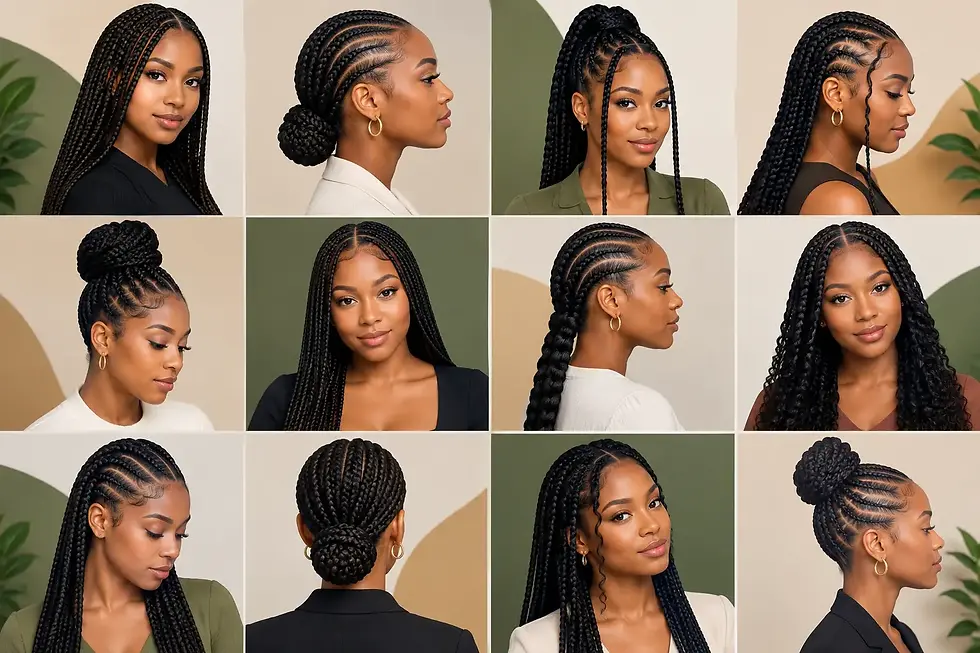
Both can be styled in countless ways. You can wear them down, in a high or low ponytail, in a bun, or half up and half down. Color choices, braid length, and braid size all change the personality of the finished style. A rich natural shade keeps the look refined, while a subtle color blend can add dimension without taking away from the clean parting.
For clients considering a boho finish, the same choice applies. Boho details can be added to either style, but they create a softer, more textured look that requires a little more care. A human hair boho add-on is a strong choice when you want that enhanced finish and are prepared to maintain the loose pieces gently.
Maintenance Matters More Than the Trend
Whether you choose knotless or traditional braids, consistent care helps your style stay neat. Wrap or cover your braids at night to reduce friction, and keep your scalp clean without soaking the braids too often. Light scalp moisture can help if you experience dryness, but heavy product buildup can make the style look dull and feel less fresh.
Be mindful of how you wear your braids. Repeated tight ponytails, buns, and pulled-back styles can add tension to the same areas day after day. Give your edges a break by changing your part or wearing the braids down when possible.
It is also wise to pay attention to timing. Protective styles are meant to support your routine, not stay in indefinitely. When your braids have significant new growth, buildup, frizz, or tension from shifting hair, it may be time to remove them. The right removal and wash-day break are part of healthy protective styling.
How to Choose the Right Style for Your Appointment
Start with the question you will actually care about a week after your appointment: how do you want the braids to feel and look in real life? Choose traditional braids if you love a classic, defined base and a more structured finish. Choose knotless braids if you prefer flatter roots, lighter movement, and a softer overall appearance.
Your budget and available time can also influence the decision. Braid size, length, and added details all affect the service, regardless of which foundation you choose. Bring inspiration that shows the size, length, color, and finish you want. That gives your braider a clearer picture than a style name alone.
At Traditional Braids in Torrance, the focus is on polished protective styles with clean parts, consistent finishes, and a look that fits your personal style. Hair is included with core services, and online booking makes it easy to select a service and appointment time that works around your schedule.
The best braid choice is the one that lets you move through your week feeling comfortable, confident, and fully yourself. Browse the looks you are drawn to, decide what matters most at the root, and book the style you will be excited to wear.

Comments