

Braid Tension Comparison for Comfortable, Polished Styles

A polished braid style should make you feel put together, not like you are counting the hours until you can take it down. This braid tension comparison helps separate the secure feel that supports a neat, long-lasting finish from tension that is simply too tight. The difference matters whether you prefer traditional braids or knotless braids.
A little snugness at a fresh appointment can be normal, especially near the first few rows. Pain, throbbing, persistent headaches, or a scalp that feels pulled from every direction are not the price of a good style. Quality, precision, and attention to detail should include your comfort from the moment you leave the chair.
Braid Tension Comparison: Snug vs. Too Tight
Braids need enough tension to stay tidy and hold their shape. When the tension is balanced, the parts look clean, the braids feel secure, and your scalp still has room to move naturally. You may notice a slight tight feeling when you first turn your head or put your hair into a different position, but that feeling should settle rather than intensify.
Too-tight braids create a very different experience. The scalp may feel sore immediately, and the discomfort can continue when you rest your head, smile, raise your eyebrows, or gently touch the braided areas. Small bumps around the hairline, redness, or a pulling sensation at the temples are signs that the installation needs attention.
A sleek finish does not require painful tension. Neat parts and consistent braid size come from careful sectioning and skilled execution, not from pulling every section as tightly as possible. The goal is a style that looks refined in photos and feels wearable through your workday, weekend plans, and regular routine.
Traditional Braids and Knotless Braids Feel Different
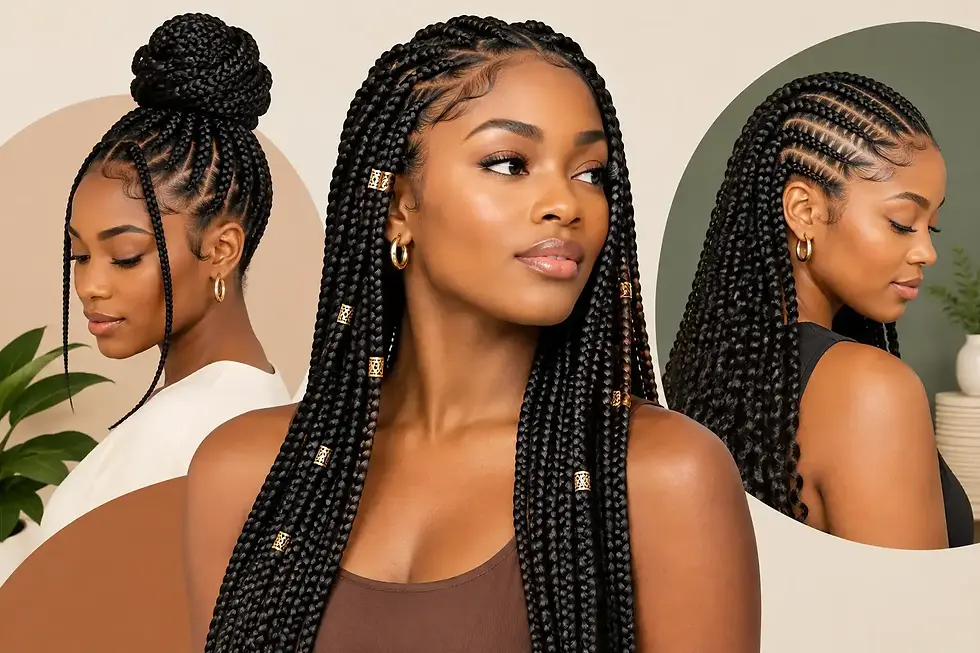
Traditional braids and knotless braids can both be beautiful, protective options, but the way they begin at the scalp changes the initial feel. A traditional braid is started with an anchored base. That foundation can create a more secure, snug sensation, particularly in smaller braid sizes or styles with added length. Done well, it should still feel manageable and should not leave your scalp aching.
Knotless braids are built by gradually feeding in hair rather than beginning with a pronounced knot at the root. Many clients choose them because the start of each braid can feel lighter and more flexible. For clients who are especially sensitive around the edges or who prefer a softer movement at the scalp, that can be a meaningful advantage.
Neither option is automatically pain-free or automatically too tight. A knotless installation can still be uncomfortable if sections are pulled too firmly, while well-installed traditional braids can feel secure without feeling harsh. Your preferred look, braid size, natural hair density, scalp sensitivity, and how long you plan to wear the style all affect the right choice.
Braid size changes the conversation
Smaller braids often create a more detailed, versatile look, but they also require more sections and can place more concentrated tension on the scalp if not installed thoughtfully. Larger braids generally cover more ground with fewer sections and may feel lighter for some clients. They also create a different overall finish, so the decision is about comfort and style rather than assuming one size is better.
Length matters too. Longer braids add visual impact, but extra length also adds weight. If you know your scalp is sensitive, a moderate length or a style with less added hair may give you the polished result you want with a more comfortable everyday feel.
What a Comfortable Fresh Style Should Feel Like
A fresh set of braids can feel different from your natural loose hair. You may be more aware of your scalp during the first day or two, and a secure base can feel slightly firm at first. The key is that you should be able to live normally in the style.
You should be able to sleep with a protected style, turn your head, wear your glasses, and lightly touch your scalp without sharp pain. Your edges should not feel as though they are being constantly lifted or pulled backward. If you have to avoid moving your face or head because it hurts, the tension is not working for you.
Pay close attention to how your hairline feels. The front and sides are often more delicate than the center of the scalp, and they should be treated accordingly. A style can still look crisp with a thoughtful approach around the edges. Communicating that you are tender-headed or have sensitivity in a particular area helps set the right expectation before the service begins.
How to Communicate the Right Tension at Your Appointment
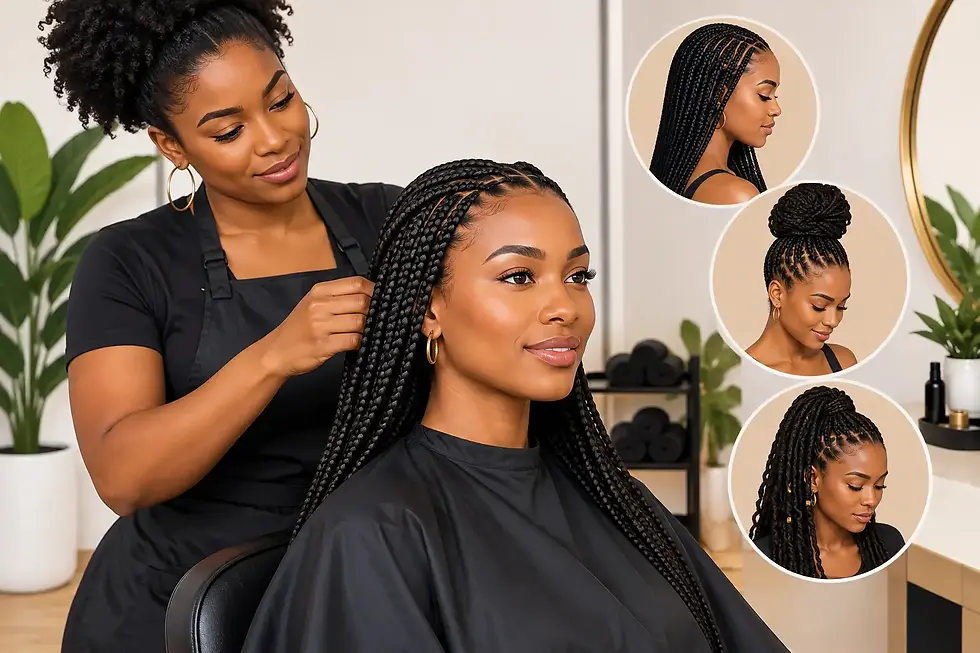
The best time to speak about comfort is before the braiding begins, not after you have tried to push through a full installation. Be direct about what has not worked for you in the past. If a previous style left you with headaches, bumps, sore edges, or a feeling of tightness for several days, say so.
It also helps to describe what you want in practical terms. You might prefer a secure hold with lighter tension around your hairline, a medium braid size instead of extra small, or a shorter length to reduce weight. These details guide a style choice that fits your hair, your lifestyle, and the look you have in mind.
During the appointment, speak up as soon as something feels sharply uncomfortable. A quick adjustment during the service is much easier than trying to manage pain after the braids are complete. Good service is not about silently tolerating discomfort. It is about leaving with a finished style you feel confident wearing.
Four Signs Your Braids Need Attention
Some discomfort is too easy to dismiss because a new style looks beautiful. Your scalp is giving useful information, so do not ignore these signs:
A headache, throbbing, or pain that does not ease after the first day.
Redness, bumps, swelling, or tenderness along the parts or hairline.
Braids that visibly lift the skin or make your scalp feel stretched.
Difficulty sleeping, moving your head, or touching the roots without pain.
If you notice these symptoms, avoid adding more pulling through tight ponytails, buns, or heavy accessories. If discomfort is severe, persistent, or accompanied by irritation, contact a qualified healthcare professional. Your scalp health deserves the same care as the finished look.
Keeping Tension Comfortable After You Leave
Even a balanced installation can feel tighter if you repeatedly pull the braids into high styles. Give the roots a break by varying your look and avoiding tight updos, especially during the first few days. At night, protect your braids with a satin or silk wrap, scarf, or bonnet so you can reduce friction without adding pressure at the scalp.
Keep your routine simple. Focus on scalp comfort, gentle cleansing when needed, and avoiding product buildup that can make the roots feel irritated. If you selected a human hair boho add-on, take extra care when styling the loose pieces so they do not become tangled around the braids or encourage unnecessary pulling.
A braid style should support your confidence, not compete with your comfort. When you are choosing between traditional braids and knotless braids, start with the look you love, then be honest about your sensitivity, preferred size, and desired length. At Traditional Braids in Torrance, that conversation helps create a clean, polished finish that feels as good as it looks. Choose the style that fits your life, communicate what your scalp needs, and book with comfort as part of your standard.

Comments