

Can I Wash Braided Hair Without Ruining It?

Fresh braids should feel like freedom, not a countdown to an itchy scalp. So, can I wash braided hair without turning clean parts into frizz and shortening the life of the style? Yes. The key is washing your scalp with care, using as little friction as possible, and making sure the braids dry completely afterward.
Traditional braids and knotless braids can both be washed while installed. A thoughtful wash can remove sweat, oil, and product buildup so your scalp feels comfortable and your style stays presentable. The goal is not to scrub the braids as if your hair is loose. It is to cleanse the scalp, protect the neat finish, and avoid leaving moisture trapped inside the braid.
Can I Wash Braided Hair? Yes, With a Gentle Routine
Your scalp still needs regular care while your hair is braided. Skipping washes for too long can lead to buildup, flakes, odor, and irritation, especially if you work out often, wear hats, or use scalp oils regularly. On the other hand, washing too aggressively can create fuzz, loosen the ends, and make a polished style look older before its time.
For most clients, washing every one to two weeks is a reasonable starting point. Your ideal schedule depends on your scalp, activity level, and how much product you use. If your scalp gets oily quickly or you exercise several days a week, weekly cleansing may feel best. If your scalp stays comfortable and clean, every other week may be enough.
The first week after an appointment is usually when you want to be especially gentle. Your scalp may still be adjusting to the tension and your parts are at their freshest. Unless you truly need a wash, give the style a little time to settle before adding water and manipulation.
Start by Diluting Your Shampoo
A lightweight, sulfate-free shampoo is often a good choice for braided hair, but how you apply it matters more than having a cabinet full of products. Mix a small amount of shampoo with water in an applicator bottle. This helps you place cleanser directly along your parts and scalp instead of piling thick shampoo over the braids.
Work in sections. Apply the diluted shampoo along the scalp, then use the pads of your fingertips to gently press and massage. Do not scratch with your nails, and do not rub the braid lengths together. That friction is what creates unnecessary frizz and can disturb the clean, consistent finish of your braids.
If you have visible buildup, let the diluted shampoo sit on the scalp for a minute before rinsing. There is no need to scrub harder. A second gentle cleanse is usually better than one overly aggressive wash.
Rinse in One Direction
Rinse thoroughly with lukewarm water, allowing the water to run from your scalp down the braid lengths. Keep your hands light as you guide the braids downward. Avoid bunching them into a pile on top of your head, which can cause tangling at the roots and rough up the surface of the braids.
Make sure the shampoo is fully gone. Leftover cleanser can make the scalp feel dry or itchy later, and it may look like flakes even when your scalp is clean. Take an extra minute at the nape, behind the ears, and around the hairline, where product and sweat often collect.
How to Wash Braids Without Creating Frizz
Frizz is normal as a braided style gets older, especially around the perimeter and crown. Still, your wash day habits can make a noticeable difference. The less you handle the braid lengths, the better they tend to hold their shape.
After rinsing, gently squeeze out excess water with your hands. Follow with a clean microfiber towel or a soft T-shirt, pressing the braids instead of rubbing them. A regular bath towel can be rough on the braid surface and may leave your style looking fuzzy sooner than expected.
Conditioner is optional, and it is not always necessary for an installed braided style. Heavy conditioners can leave residue at the roots or make extensions feel coated. If your natural hair feels dry, use a light leave-in spray sparingly, focusing on your scalp and the exposed natural hair near the roots rather than saturating every braid.
Oils deserve the same light touch. A few drops of a scalp-friendly oil can help with dryness, but applying too much between washes creates buildup quickly. If your scalp is itchy, more oil is not always the answer. Itchiness can come from sweat, residue, irritation, or hair that has not dried fully after washing.
Drying Is the Step You Cannot Skip
Damp braids can feel cool and refreshing at first, but moisture left inside thick braids can cause odor and scalp discomfort. This is especially true with longer styles or fuller installs. Plan your wash for a time when you can let your hair dry fully instead of rushing out the door or going straight to bed.
Start by blotting thoroughly. Then sit under a hooded dryer on a comfortable warm setting, or use a handheld dryer with controlled heat while separating the braids into sections. Focus first on the roots and the middle of the braid, where water tends to linger. The ends often dry faster, but the inside of the style needs your attention.
Air-drying can work for finer or shorter braids if you have plenty of time and good airflow. For long knotless braids, thicker traditional braids, or a style that feels heavy after washing, a dryer is the more dependable choice. Before covering your hair, lying down, or styling it into a bun, check that the roots and lengths are dry all the way through.
Traditional Braids and Knotless Braids Need Slightly Different Care
Both styles benefit from a clean scalp and gentle handling, but their construction affects how they respond to washing. Traditional braids are typically anchored at the root, so avoid pulling or repeatedly tugging at the base while wet. Wet hair has more stretch, and rough handling can make the roots feel stressed.
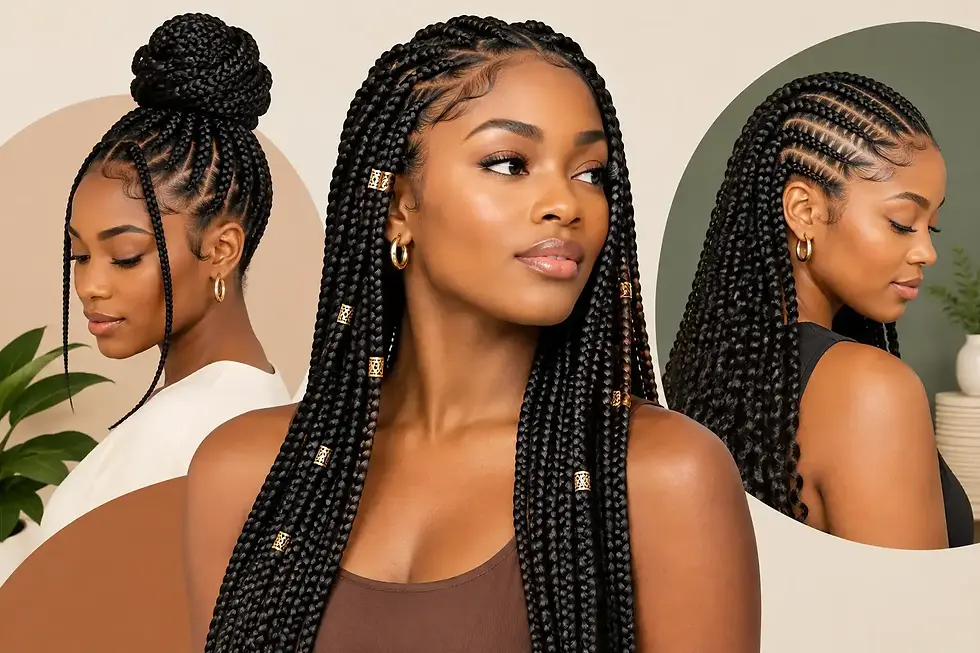
Knotless braids begin with your natural hair before extension hair is added. They are known for a lighter feel and natural movement, but the root area can be more vulnerable to slipping if it is rubbed, picked at, or heavily moisturized. Apply products directly and sparingly instead of spreading them across the roots with your hands.
If you chose a boho look with human hair pieces, be even more intentional with drying and detangling. Gently separate the loose pieces with your fingers after washing, and use a small amount of mousse if needed to refresh their appearance. Avoid brushing the braided base or pulling at loose curls when they are wet.
When a Full Wash Is Not the Best Choice
Sometimes you need a refresh, not a complete wash. If your scalp feels slightly oily but your braids are still neat, a light scalp cleanser or carefully applied dry shampoo can help you extend time between washes. Use these products moderately. Too much dry shampoo can build up just as quickly as oil.
A full wash may also be better delayed if your braids are already very loose at the roots, heavily frizzy, or nearing removal time. Water will not automatically ruin an older style, but it can make its wear more noticeable. At that point, protecting your natural hair may mean scheduling a takedown and giving your scalp a proper reset.
Watch for signs that it is time to remove the style rather than keep refreshing it: persistent itching, sore or tender roots, significant slippage, matted new growth, or buildup that does not lift with gentle cleansing. Protective styling should support your hair routine, not make your scalp uncomfortable.
Keep Your Style Looking Polished Between Washes
Nighttime care makes wash day easier. Cover your braids with a satin or silk scarf, bonnet, or pillowcase to reduce friction while you sleep. This helps preserve the smooth look of the braid lengths and protects the edges from rubbing against cotton fabric.
During the day, avoid constantly pulling your braids into tight ponytails or buns. Changing your part, wearing a looser style, or letting the braids fall naturally can give your hairline a break. If you exercise, blot sweat from the scalp afterward and allow the roots to dry before covering your hair.
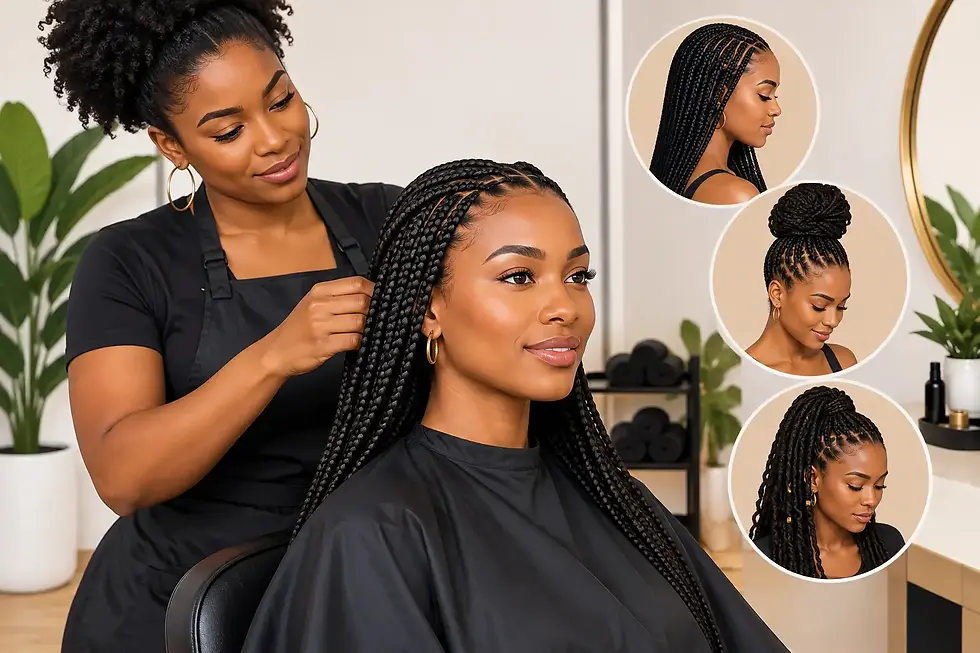
A quality braided style is designed to give you confidence and convenience, but the best results come from pairing precise installation with simple, consistent care. When you are ready for your next polished traditional or knotless braid look, choose a style that fits your routine and give it the gentle maintenance it deserves.

Comments