

Braids for Sensitive Scalp Guide for Lasting Comfort

A polished braid style should make you feel put together, not leave you counting the hours until you can take it down. This braids for sensitive scalp guide is for clients who love the ease and confidence of protective styling but know their scalp needs a little more care. Sensitivity does not mean braids are off limits. It means the style, tension, preparation, and upkeep need to work together.
A sensitive scalp can react to many things: pulling at the root, product buildup, dry skin, irritation from added hair, or even going too long between washes. The goal is not simply to make braids look neat on day one. It is to create a clean, comfortable style you can wear with confidence from the start.
Start With the Right Level of Tension
Tension is the first thing to address when your scalp is sensitive. Braids can be secure without being painfully tight. A style that feels sharp, heavy, or sore immediately after your appointment is asking too much of your roots.
A few hours of mild awareness after braiding can happen, especially if you are not used to wearing extensions. Pain, headaches, raised bumps, or a pulling sensation that continues are different. Those are signs the scalp is under stress. Do not wait for a style to "settle" if the discomfort is intense. Protecting your edges and scalp is always more important than keeping a style in for its full intended wear time.
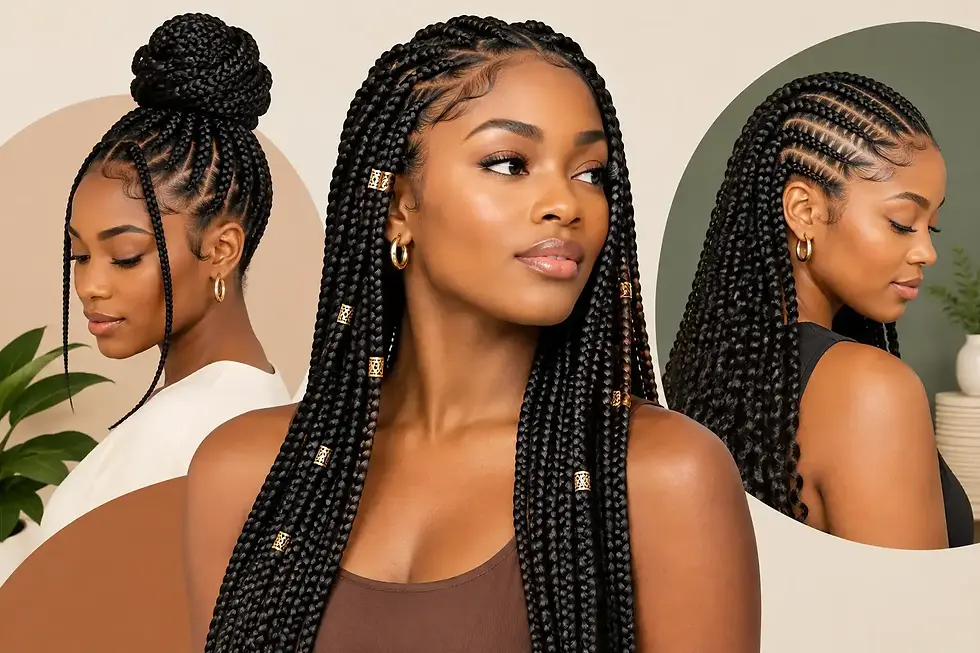
For many clients, knotless braids are a comfortable option because the added hair is fed in gradually rather than creating a firm knot at the base. That does not make every knotless install automatically gentle, though. Size, length, density, and the stylist's tension still matter. Traditional braids can also be a great choice when installed with thoughtful tension and clean, balanced sections.
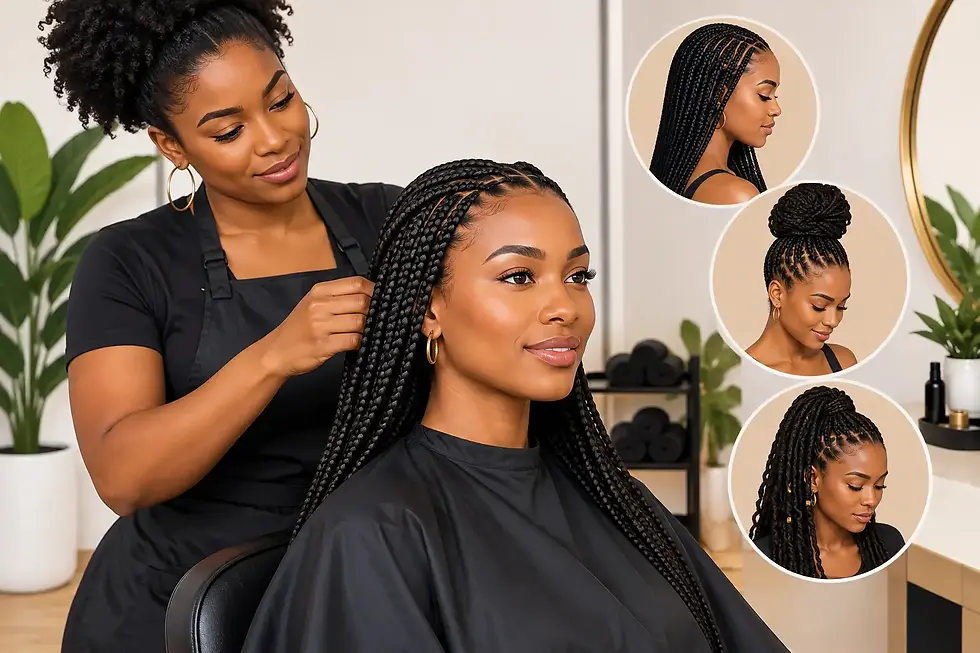
If you have had a tight install before, say so before the service begins. Clear communication gives your braider the chance to adjust from the first section rather than after your scalp is already irritated.
Choose a Style That Fits Your Scalp, Not Just Your Inspiration Photo
The longest, smallest braids may look beautiful, but they are not always the best match for a tender scalp. Smaller braids usually mean more sections, more time in the chair, and potentially more weight over time. Extra-long lengths can also pull at the roots as the hair moves throughout the day.
A medium size is often a smart place to start. It can still give you a detailed, polished finish while keeping the overall weight more manageable. If your hairline is especially delicate, ask for extra care around the perimeter. Your front and temple areas do not need to carry the same tension as the rest of the style to look neat.
Hair density matters too. A full, heavily extended look may not feel comfortable if your natural hair is fine or your scalp becomes tender easily. Your best braid style should complement your natural hair, daily routine, and comfort level. The goal is a result that looks refined without making you overly aware of every braid on your head.
For clients who want a softer, more natural finish, a human hair boho add-on can add movement without requiring an entirely different protective style. It still needs to be selected thoughtfully. More hair creates more weight, so discuss the look you want and how your scalp usually responds to longer or fuller styles.
Prepare Your Hair and Scalp Before Braiding
A comfortable appointment begins before you sit in the chair. Arriving with a clean scalp helps remove sweat, buildup, and oils that can contribute to itching after the install. Use a gentle cleansing routine that works for your hair, then make sure your hair is fully dry before braiding.
Avoid scratching or aggressively exfoliating your scalp right before your appointment. Small scratches can sting once products are applied or hair is added. If you are dealing with an active flare-up, open sores, severe flaking, or a rash, it is best to pause and address that concern first. Braiding over an irritated scalp can make the issue worse.
Be careful with heavy butters and thick oils immediately before your service. They can make the hair harder to grip and may contribute to buildup at the roots. A clean scalp and moisturized strands are usually a better foundation than a heavily coated scalp.
If you know you react to certain braiding hair, products, or fragrances, share that information before your appointment. Sensitivity is personal. A product that works well for one client may not be the right fit for another. Traditional Braids includes hair with core services, so communicating your needs ahead of time helps support a smoother, more comfortable experience.
During Your Appointment, Speak Up Early
You never need to prove you can tolerate discomfort. If a section feels too tight, mention it while that area is being braided. A quick adjustment is much easier than taking down several finished braids later.
Be specific when you can. Instead of only saying that the style feels tight, point out where you feel the pulling: the nape, temples, crown, or edges. Scalp sensitivity is not always even across the head. A careful braider can make adjustments where you need them while maintaining consistent, polished parts and a clean finish.
Your comfort also includes your position during a longer appointment. If you need to stretch your legs, shift your shoulders, or take a brief break, ask. Braiding is detailed work, and a good service experience should feel attentive from the first part to the final finish.
Care for Sensitive Scalps After the Install
The first week often determines how well a braid style wears. Keep your scalp clean, avoid piling on products, and give your roots a break from extra pulling. High ponytails, tight buns, and constantly sweeping braids to one side can add tension even when the original install felt comfortable.
At night, protect your braids with a satin or silk scarf, bonnet, or pillowcase. This helps reduce friction and keeps the style neater, which means you are less likely to tug, redo, or manipulate your braids during the day.
When your scalp feels dry, use a light scalp-friendly product sparingly rather than saturating the roots. Too much product can collect around the parts and make itching worse. If you need to cleanse your scalp while wearing braids, focus on gentle technique and complete drying. Leaving the roots damp for long periods can create discomfort and odor.
Itching deserves a closer look. Mild itchiness can come from dryness, sweat, or the scalp adjusting to a new style. Persistent itching, burning, bumps, unusual redness, or tenderness may point to too much tension, irritation, or a reaction to a product or added hair. Take the concern seriously. Remove the braids if needed, and consult a medical professional for symptoms that are severe, worsening, or do not improve.
Know When It Is Time to Take the Braids Down
Protective styles are meant to support your routine, not become a reason to ignore your scalp. If the new growth is making the braids feel heavier, your roots are matting, or the style no longer feels clean and comfortable, it may be time for removal.
There is no single wear schedule that fits every client. It depends on your hair growth, scalp condition, lifestyle, style size, and how well you can maintain the install. Wearing braids longer than your scalp can comfortably handle may lead to tangling, breakage, or excessive buildup. A fresh, well-timed appointment is often better than trying to stretch a style past its best point.
A Sensitive Scalp Can Still Wear Beautiful Braids
The best braids for a sensitive scalp are not defined by a trend or a single technique. They are defined by how they feel on you. Comfortable tension, an appropriate size and length, a clean foundation, and honest communication make a meaningful difference.
When you are ready for your next traditional or knotless braid style, choose a look that gives you the polished finish you want without compromising comfort. A braid appointment should leave you feeling confident, cared for, and ready to enjoy your style.

Comments