

Braid Removal Timing: When to Take Them Down

A polished braid style should make getting ready easier, not leave you wondering whether you have kept it in too long. Good braid removal timing protects the look you invested in while giving your scalp and natural hair the attention they need. For most clients, traditional braids and knotless braids look their best for several weeks, but the right takedown date is personal.
The calendar matters, but your hair and scalp matter more. A style that still looks neat at week six may be ready for removal if there is heavy buildup, persistent itching, or excessive new growth. On the other hand, braids that feel comfortable, look clean, and are being maintained consistently may have some life left. The goal is not to stretch every appointment as long as possible. It is to enjoy a beautiful protective style without creating avoidable stress for your hair.
Braid Removal Timing Starts With the Style
A practical starting point for most traditional braids and knotless braids is about six to eight weeks. That window gives you time to enjoy a clean, finished look while avoiding the tangling, buildup, and tension that can increase when braids are worn too long.
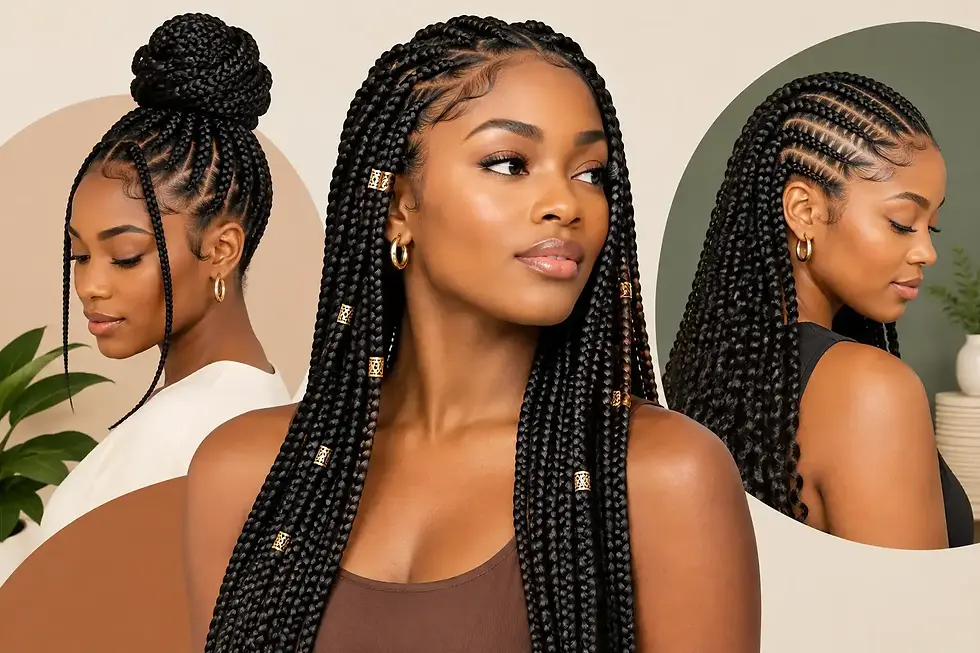
Traditional braids often hold their shape well because of their secure, classic foundation. Knotless braids have a lighter start at the scalp and are a favorite for clients who want a more flexible, natural-feeling finish. Neither style has one universal removal date. Your braid size, length, hair texture, activity level, and at-home routine all affect how long the style remains comfortable and manageable.
Smaller braids can look polished for a long time, but they also require thoughtful maintenance. As your natural hair grows, the roots become less supported by the braided section. Leaving a small-braid style in well beyond its best point can make detangling harder during takedown. Larger braids may be quicker to remove, yet visible new growth can make them feel less tidy sooner.
If you chose a boho finish with human hair, plan on a closer check-in. The loose pieces create soft movement and a beautiful elevated look, but they can also tangle more easily than a fully braided style. Many clients find that a boho look is best removed toward the earlier side of their normal braid schedule, especially if the loose hair begins to mat or lose its definition.
Signs It Is Time to Remove Your Braids
Your mirror can tell you a lot, but comfort should make the final call. Itching that does not improve after a gentle scalp cleanse, recurring tenderness, or a tight feeling at the roots are signs to take the style down instead of trying to push through another week.
Heavy buildup is another clear signal. A little product residue is normal, especially if you moisturize your scalp, but thick buildup around the roots can make the style feel uncomfortable and make removal more difficult. If your parts are no longer visible, your new growth is noticeably tangled, or the braids are slipping and catching, schedule time for takedown.
Pay attention to changes around your hairline as well. Your edges should not feel strained, sore, or pulled. Braids are meant to support a confident, put-together routine, not demand constant adjustment. If you are regularly reaching for clips, headbands, or tight buns to disguise an older style, that is often your cue that a fresh appointment is closer than it seems.
When an Earlier Takedown Makes Sense
The six-to-eight-week guideline is not a challenge to meet. Some clients are better served by removing braids after four to six weeks. This can be especially true if your scalp tends to get oily quickly, you work out often, swim regularly, or have fine strands that tangle easily at the root.
An earlier takedown may also be the right choice after a busy season when your maintenance routine has slipped. There is no need to feel that you have wasted the style. Removing braids before they become difficult is often the more hair-conscious decision.
Lifestyle plays a real role. A student moving between classes, a professional with early meetings, and a parent managing a full household may all want different braid sizes and wear times. Think about your typical week before selecting your next look. A style that fits your schedule is easier to care for and more likely to stay polished from your appointment through removal.
How to Keep Braids Looking Better Between Appointments
Consistent care can make a meaningful difference in how your braids look and feel. Keep your scalp clean without overloading it with oils, creams, and edge products. Use a light hand with anything applied directly to the roots. Product buildup is one of the fastest ways for a style to feel older than it is.
At night, protect your braids with a satin or silk scarf, bonnet, or pillowcase. This helps reduce friction, preserves the finish, and keeps the length from becoming dry or fuzzy. If you wear long braids, loosely gather them rather than pulling them into a tight topknot night after night.
Moisture matters, but more is not always better. A simple scalp-friendly moisturizing routine is usually more helpful than layering several products. If you are unsure what your hair needs, keep it basic: protect the style at night, cleanse when needed, and avoid unnecessary pulling at the roots.
Try not to ignore a problem because the rest of the style still looks good. One severely matted braid, a tender section, or a loose braid that is snagging can turn a simple takedown into a longer process. Addressing issues early helps you preserve your hair and maintain a more comfortable style.
Make Takedown Day Easier on Your Hair
Set aside enough time for removal. Rushing through takedown is where unnecessary breakage and frustration can happen. Work in sections, undo the added hair carefully, and detangle your natural hair gently as each braid comes out. The hair that sheds naturally while it is braided has been held inside the style, so seeing shed strands during removal is expected. What matters is being patient enough to release that hair without pulling through knots.
Before washing, take a moment to separate and detangle each section. Then cleanse your scalp and hair thoroughly, follow with conditioner, and give your hair a short rest if it feels dry or sensitive. Some clients prefer a break between braid appointments, while others are ready for a fresh style after a proper wash, detangle, and conditioning routine. The right choice depends on how your hair feels, not a strict rule.
If your braids have been in for longer than planned or you notice significant tangling at the roots, give yourself more time than usual. Do not force a comb through dense new growth. Slow, careful detangling is always the better trade-off than trying to finish quickly.
Plan Your Next Appointment Around Your Ideal Timing
The easiest way to stay ahead of braid removal timing is to think about the next appointment before your current style reaches its last week. If you know your braids usually look and feel best for six weeks, begin looking at availability around week four or five. That gives you options instead of forcing a last-minute decision when your schedule is already full.
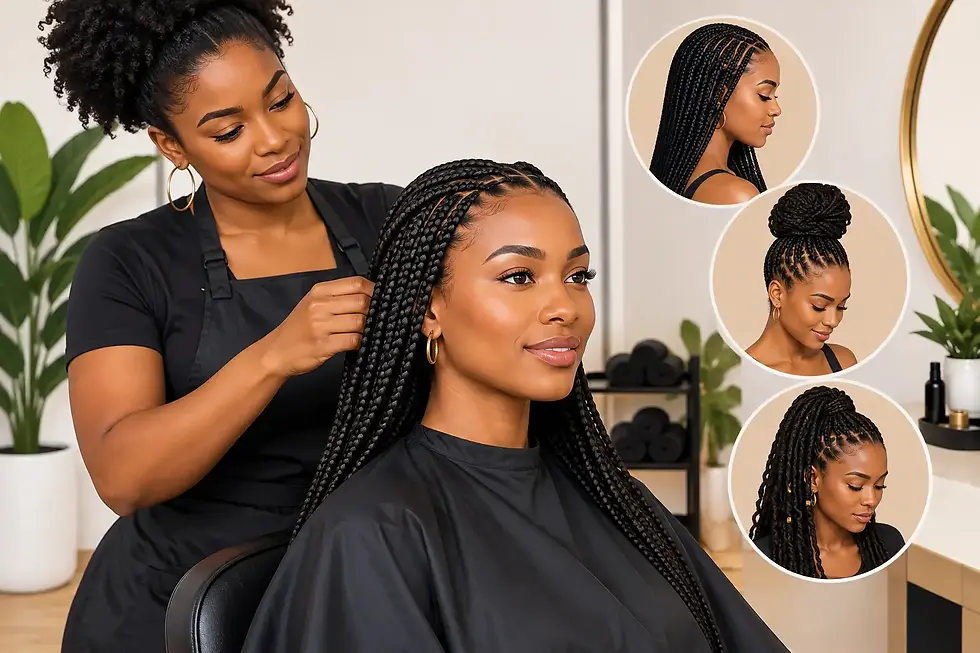
For clients balancing work, school, family, or travel throughout the South Bay and Los Angeles area, extended appointment availability can make this planning much simpler. Traditional Braids offers appointment-only service with early, late, and weekend scheduling so a fresh traditional braid or knotless braid look can fit into a real routine.
A well-timed takedown is part of the style, not an afterthought. Choose the moment when your braids have given you the confidence, convenience, and polished finish you wanted, then give your natural hair the careful reset it deserves.

Comments